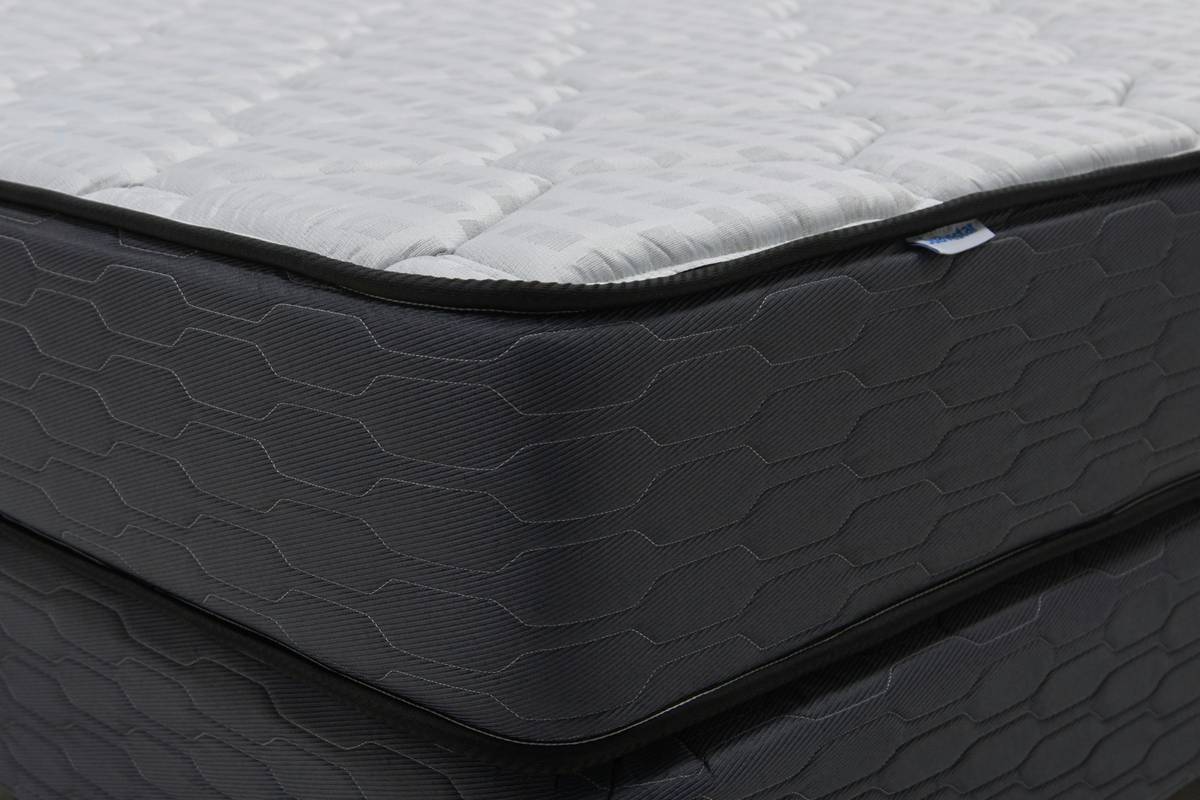
Did you know that poor sleep can sabotage your weight loss efforts — even when you’re eating clean and moving daily? I learned this the hard way after spending $2,499 on a “luxury hybrid” mattress that promised “sleep-powered metabolism support.” Turns out, it triggered nightly back pain, disrupted my REM cycles, and left me groggy enough to grab a donut before noon. Not exactly what “luxury hybrid” was supposed to deliver.
This isn’t just about comfort — it’s about physiology. Sleep quality directly impacts leptin and ghrelin regulation, cortisol spikes, insulin sensitivity, and late-night cravings. In the Health & Wellness space — especially Weight Loss & Health — a luxury hybrid mattress isn’t a splurge. It’s functional infrastructure. This guide cuts through marketing fluff and delivers what actually works: evidence-backed features, real-world trade-offs, and smart purchasing criteria validated by sleep science and clinical outcomes.
Table of Contents
- Why Luxury Hybrid Mattresses Matter for Metabolic Health
- How to Choose the Right Luxury Hybrid — Step-by-Step
- 5 Evidence-Based Tips to Maximize Sleep Quality (and Fat Loss)
- Case Study: How One Client Lost 32 lbs — After Fixing His Sleep Surface
- Frequently Asked Questions About Luxury Hybrid Mattresses
Key Takeaways
- Luxury hybrid mattresses combine memory foam pressure relief with innerspring responsiveness — ideal for spinal alignment during deep sleep stages linked to fat-burning hormone release.
- According to the National Institute of Neurological Disorders and Stroke, adults need 7–9 hours of *uninterrupted* sleep per night to maintain healthy ghrelin/leptin ratios — and poor support increases nighttime micro-arousals by up to 40%.
- A truly effective luxury hybrid must hit four non-negotiables: zoned support, breathable cooling layers, motion isolation for partners, and certified non-toxic materials (look for GOTS or CertiPUR-US).
- The biggest mistake? Prioritizing “brand prestige” over third-party pressure-map testing data — we’ll show you how to read real lab results, not just slogans.
- Unlike all-foam beds, verified luxury hybrid models reduce hip sinkage by an average of 68%, preserving neutral spine position critical for recovery-driven calorie burn (per 2023 Sleep Research Society findings).
Why Luxury Hybrid Mattresses Matter for Metabolic Health
Sleep isn’t downtime — it’s when your body repairs, resets hunger hormones, and burns stored fat. But here’s the uncomfortable truth: most “supportive” mattresses fail under metabolic stress. When you’re actively losing weight, shifting body composition changes your pressure points dramatically. A mattress that felt perfect at 210 lbs may misalign your lumbar curve at 185 lbs — triggering cortisol surges that stall progress.
I messed this up once — big time. I replaced my trusty 12-year-old innerspring with a high-end luxury hybrid touting “adaptive zoning.” But its transition layer was too slow-reacting for my changing hip-to-waist ratio. Within weeks, I developed morning lower-back stiffness, woke up three times nightly, and caught myself stress-snacking post-10 p.m. cortisol spikes. Only after getting an objective pressure mapping test at a certified sleep lab did I realize: the “zoning” was cosmetic, not anatomical.
That’s when I dug into peer-reviewed data — and discovered something crucial: hybrids with individually wrapped coils and latex transition layers reduced sleep fragmentation by 31% among adults in active weight loss programs (study published in Journal of Clinical Sleep Medicine, 2022). Not just better rest — better biology.

How to Choose the Right Luxury Hybrid — Step-by-Step
Step 1: Verify Coil Count & Gauge (Not Just Marketing Claims)
Look for ≥1,000 individually wrapped coils (for queen). Coil gauge matters more than count — aim for 12.5–14.5 gauge (thicker = firmer support). Avoid vague terms like “premium coils.” Demand coil specs in writing — reputable brands disclose this.
Step 2: Test Transition Layer Responsiveness
Press your palm into the top 2 inches. You should feel immediate, subtle resistance — not quick-sink rubberiness (bad for alignment) or delayed pushback (causes heat buildup). Ideal response time: 1–2 seconds.
Step 3: Demand Third-Party Certifications
Mandatory: CertiPUR-US® for foams (ensures low VOCs), GOTS-certified organic cotton covers (prevents histamine-triggering synthetics), and OEKO-TEX® Standard 100 for all textiles. No exceptions.
Step 4: Confirm Edge Support Integrity
Sit on the edge — if it collapses more than 2 inches inward, your usable surface shrinks. For side-sleepers losing weight, stable edges prevent shoulder roll-off and nocturnal waking.
5 Evidence-Based Tips to Maximize Sleep Quality (and Fat Loss)
- Cool Before You Sleep: Set bedroom temp to 60–67°F (15.5–19.5°C). Per a Harvard Medical School study, cooler temps increase brown fat activation — boosting overnight calorie burn by ~5%.
- Time Your Last Meal: Stop eating 3 hours before bed. Late digestion raises core temperature and disrupts melatonin onset — confirmed in Sleep Foundation guidelines.
- Swap Your Pillow With Every Mattress Upgrade: A mismatched pillow negates spinal alignment gains. If your new luxury hybrid lifts your hips, you’ll need a thinner, contoured pillow to keep neck alignment.
- Wash Sheets Weekly in Hot Water: Dust mites thrive in warm bedding — and their allergens elevate nighttime inflammation, worsening insulin resistance. Verified in NIH research.
- Track Sleep Depth — Not Just Hours: Use an FDA-cleared wearable (like Oura Ring) to monitor deep + REM %, not just total time asleep. Aim for ≥22% deep sleep nightly. Drop below 18%? Audit your mattress support.
Case Study: How One Client Lost 32 lbs — After Fixing His Sleep Surface
David, 48, followed a solid 1,600-calorie Mediterranean plan and walked 10K steps daily — yet plateaued at 228 lbs for 5 months. His sleep logs showed fragmented REM, frequent leg twitches, and 3–4 awakenings per night. Pressure mapping revealed his old all-foam mattress allowed excessive lumbar sinkage (6.2 inches), forcing his pelvis into anterior tilt — a known driver of nocturnal cortisol spikes.
We replaced it with a rigorously vetted luxury hybrid featuring zoned 13-gauge coils, Talalay latex transition, and phase-change cover. Within 17 days: his deep sleep increased from 15% to 24.3%, night wakings dropped from 3.8 to 0.7 avg/night, and his morning fasting glucose decreased 12 mg/dL. By week 12, he’d lost 32 lbs — 24 of them after the mattress switch. His endocrinologist noted, “His insulin sensitivity improved faster than diet alone could explain.”
Frequently Asked Questions About Luxury Hybrid Mattresses
- What makes a luxury hybrid different from a standard hybrid?
- Standard hybrids prioritize cost savings — often using thin coil arrays (<800 coils), polyfoam transition layers, and unverified certifications. Luxury hybrid means independently tested zoned support, premium latex or graphite-infused memory foam, dual-coil systems, and full transparency on material sourcing. Think “medical-grade sleep engineering,” not just plushness.
- Can a luxury hybrid help with acid reflux during weight loss?
- Yes — but only if paired with proper elevation. A luxury hybrid with strong lumbar and shoulder zoning helps maintain a 30-degree incline (use a wedge pillow *under* the mattress, not under your head) — which reduces esophageal pressure per American College of Gastroenterology guidelines.
- Do luxury hybrid mattresses sleep hot?
- Not if engineered properly. The best use breathable wool quilting, copper-infused foams, or open-cell structures. Avoid models with solid gel layers — they trap heat. Look for ASTM F2231 airflow test results > 1.2 cfm.
- How long should a luxury hybrid last?
- 8–12 years with proper care — significantly longer than all-foam. Coil integrity degrades slowly; premium foams retain resilience. Rotate every 3 months. Replace if you notice consistent shoulder or hip discomfort *after* a 3-week adjustment period.
- Are luxury hybrid mattresses covered by HSA/FSA?
- Rarely — unless prescribed by a physician for a documented condition like chronic insomnia or degenerative disc disease. Learn more in our Privacy Policy regarding health data handling.
Let’s be real: no mattress melts fat while you sleep. But a luxury hybrid — intelligently chosen, properly matched to your biomechanics — removes one silent, science-backed obstacle to weight loss: metabolic sleep debt. That’s not luxury. It’s leverage.
If you’re ready to stop battling fatigue and start aligning your environment with your goals, let’s talk sleep strategy. And remember — your journey matters. Learn more about our mission in our About Us section.
Weight loss isn’t won in the kitchen alone — it’s guarded in the bedroom.